Wimbledon
Why Grass Court Specialists Emerged As A Career Type
A short grass season with distinctive demands allowed some players to build careers around a few weeks, a specialisation that has narrowed but not disappeared.
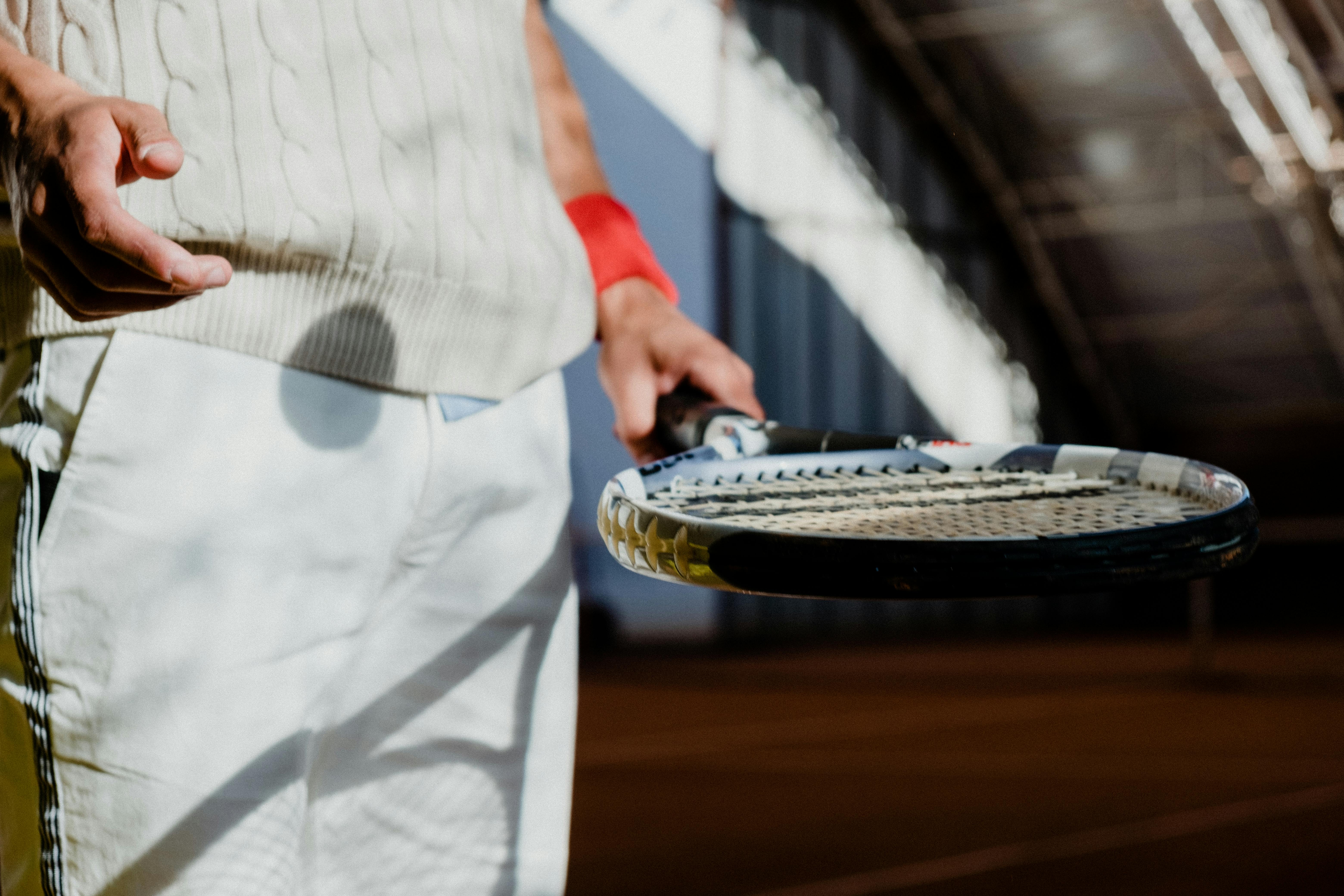
For decades a small group of players built careers around a handful of grass-court weeks. The specialisation existed because the surface rewarded a distinct set of skills.
The surface changes what works
Grass produces a lower bounce and a faster ball, which shortens the time available to prepare a shot. Points end sooner and serving carries more weight.
Players with large serves, flat groundstrokes and comfort at the net gained an advantage that they did not hold elsewhere.
The same players often struggled on slower surfaces, where rallies extended and their advantage disappeared.
Careers built this way were narrow but genuine. A player could sustain a professional living on results achieved almost entirely within one month of the year.
A short season concentrated the opportunity
The grass calendar occupies only a few weeks, so a specialist has a narrow window in which to accumulate ranking points and prize money.
That compression made the specialisation viable but precarious. A poor fortnight could not be recovered until the following year.
It also encouraged players to build a whole season's preparation around those weeks, treating the rest as maintenance.
Preparation is unusually specific
Movement on grass involves shorter steps and more sliding into shots than players use elsewhere. The adjustment takes practice rather than instinct.
Because practice courts are limited and the season is short, access to good grass surfaces became a genuine competitive resource.
Players from countries with grass club traditions historically had an advantage simply through exposure during development.
Warm-up events in the preceding weeks exist largely to address this, giving players competitive matches on the surface before the major arrives.
Equipment and conditions narrowed the gap
Changes in racket and string technology allowed players to control the ball at higher speeds, which reduced the premium on a serve-based game.
Grass surfaces themselves have been prepared to be more durable, which affects bounce and slows the exchange relative to earlier decades.
The combined effect is that leading all-surface players now dominate the grass season as they do the others.
The type survives in a modified form
Specialists still exist, but they are more often players whose ranking rises during the grass weeks rather than players who compete only then.
Doubles retains a stronger version of the specialisation, since the surface continues to reward volleying and quick exchanges.
For the players concerned, the calculation is unchanged. A few weeks of favourable conditions can carry a ranking through a year of less suitable ones.


