Athletics
How Collegiate Systems Produce Professional Athletes
University athletics programmes supply funded training, coaching and competition during the years when athletes develop most, which shapes where professionals come from.
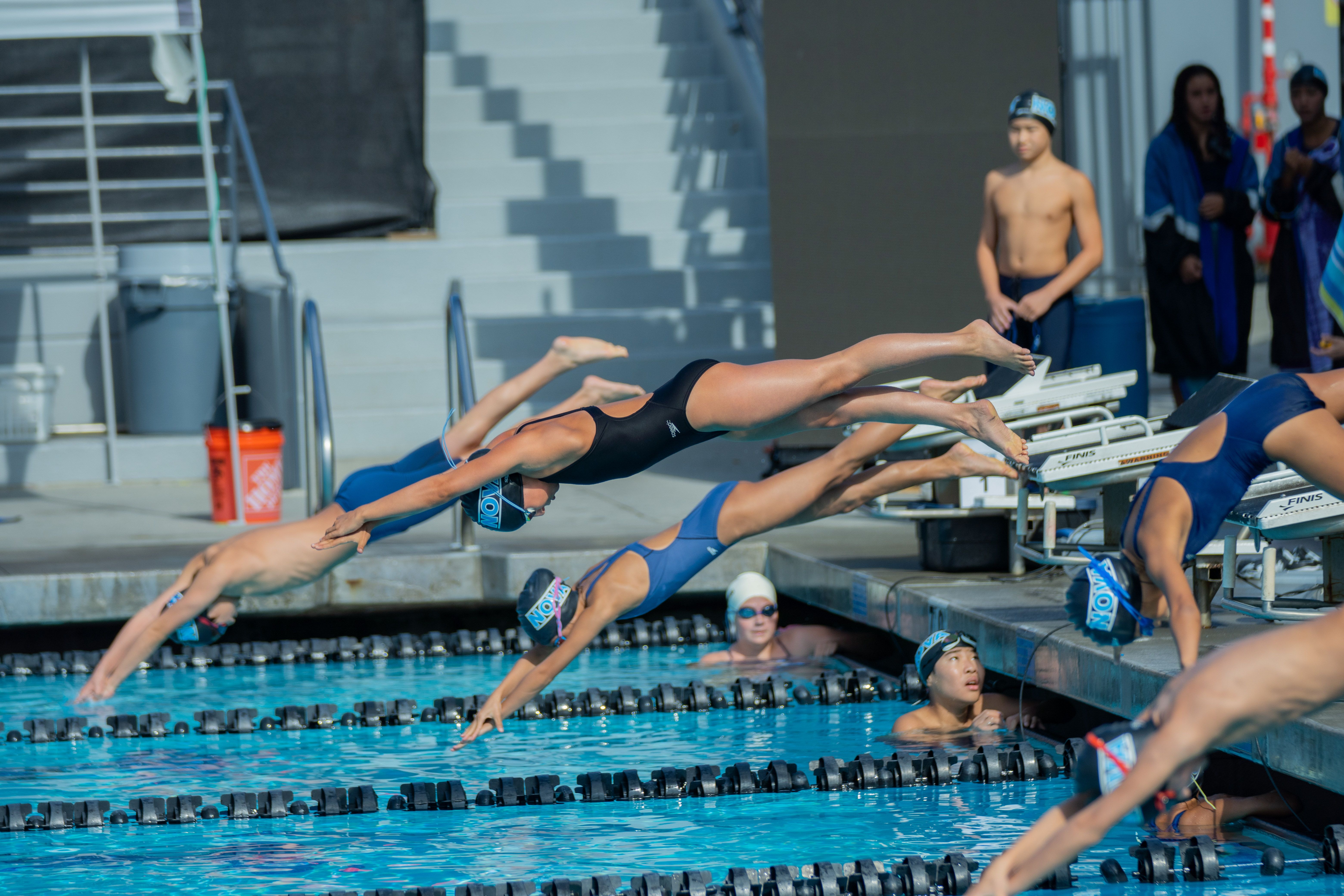
A large share of professional track and field athletes passed through a university system. These programmes solve a problem that arises exactly when athletes need support most.
The development years are the unfunded years
Athletes typically improve most between eighteen and twenty-three, before results are strong enough to attract sponsorship. Income during that period is minimal.
A university programme covers coaching, facilities, medical support and often tuition, removing the need to fund training from earnings.
Without such a structure, many athletes stop during these years for straightforwardly financial reasons.
The programmes also supply competition, which is otherwise expensive to reach. Travel to meetings is organised and funded rather than arranged individually.
Team competition changes the training environment
Collegiate athletics is scored as a team contest, which gives athletes a reason to compete in events outside their specialism and to race frequently.
Frequent racing builds competitive experience quickly, though it can conflict with the peaking logic that governs professional seasons.
Coaches balance the team's requirements against individual development, and the two are not always aligned.
Athletes intending to turn professional often negotiate a lighter racing schedule in a final year, which requires a coach willing to accept the cost.
Training groups do much of the work
Athletes train daily alongside others at a similar level, which supplies pacing, competition and accountability that solitary training cannot.
Group quality tends to be self-reinforcing, since strong programmes attract strong recruits, who then raise the standard further.
This is why professional athletes cluster around a limited number of programmes rather than being distributed evenly.
Facilities matter alongside coaching, particularly indoor tracks and throwing areas that allow training to continue through winter without interruption.
The transition out is abrupt
Support ends when eligibility does. An athlete moves overnight from a funded environment to self-employment with uncertain income.
Those with strong results secure sponsorship or a professional training group; those slightly below that line often stop entirely.
The threshold is narrow, and it explains why athletic careers frequently end at the same age rather than at the same standard.
Recruitment is international
Programmes recruit worldwide, which means athletes from countries without domestic funding structures often develop abroad and return to represent their home nations.
This transfers development costs across borders and concentrates coaching expertise in a small number of places.
The effect on national federations is mixed: they gain trained athletes without paying for them, and lose influence over how those athletes are prepared.


